Meet our first Innovator of the Month: Supersensory Technologies
How a zoologist, an engineer and a non—trivial problem turned into one of Australia's most sophisticated environmental monitoring platforms.
CORE Innovation Hub is proud to announce the inaugural Innovator of the Month award has gone to Supersensory Technologies—an Adelaide-based innovator, with clients across the Pilbara and the rest of Australia, turning ultrasonic microphones, thermal cameras, LiDAR and radar into one of the most sophisticated environmental monitoring platforms in the country.
The problem they set out to solve
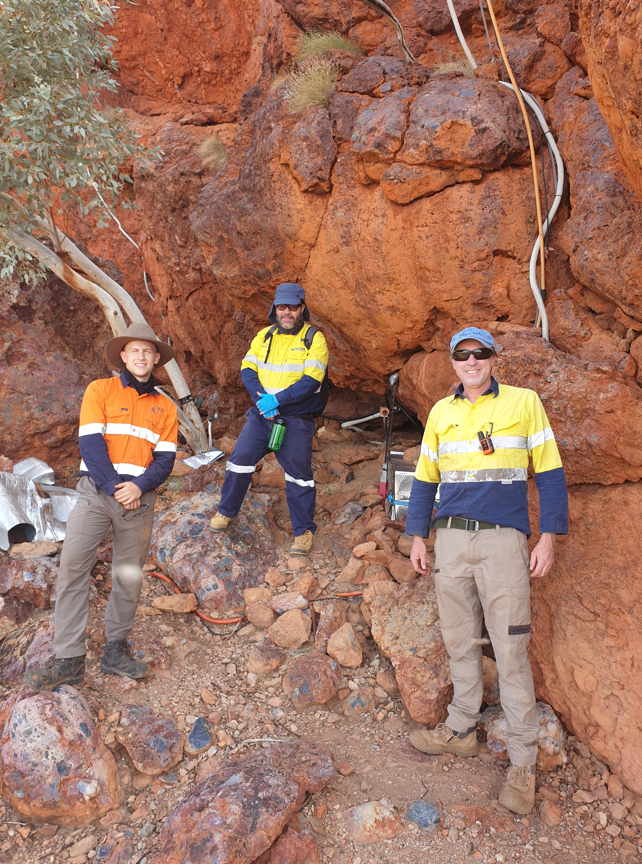
Founded by zoologist Dr Kyle Armstrong and engineer Dr Rick Morgans, Supersensory Technologies emerged from, in Kyle’s own words, “enthusiastic conversations about advances in science and engineering between a zoologist and an engineer, and an opportunity provided by a generous client to solve a non-trivial problem.”
That non-trivial problem? The way Australia monitors its threatened bat, bird and frog populations was—and largely still is— slow, expensive and gappy. Field crews collect data manually; specialists then spend weeks or months analysing it. By the time conclusions land on a proponent’s desk, there is less time to respond.
“We knew that existing technology for recording and identifying bat, bird and frog calls relied too much on costly data collection from the field and lengthy periods for data analysis. Our first project allowed us to demonstrate a better way of obtaining higher value data more quickly.”
What they actually do
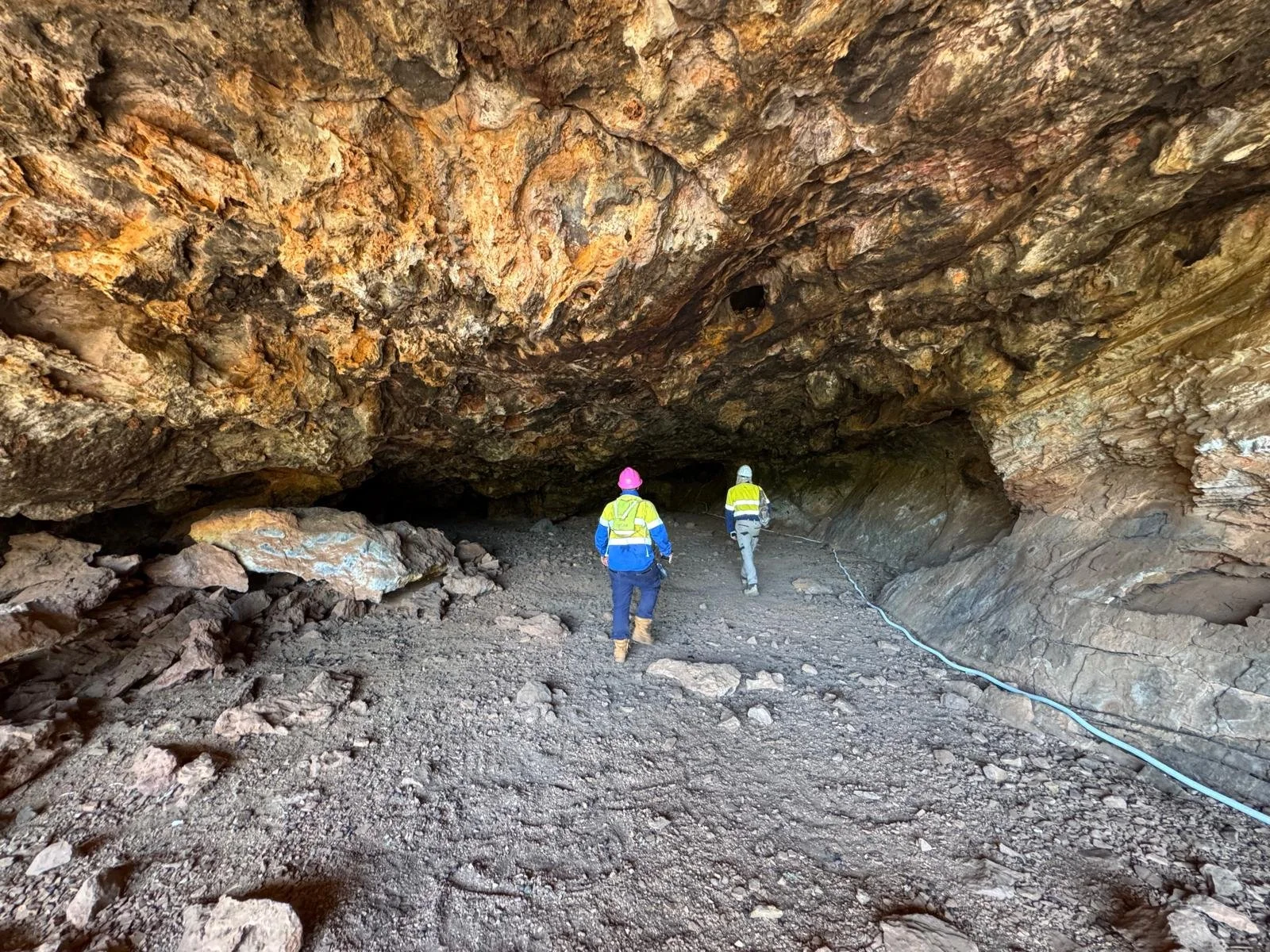
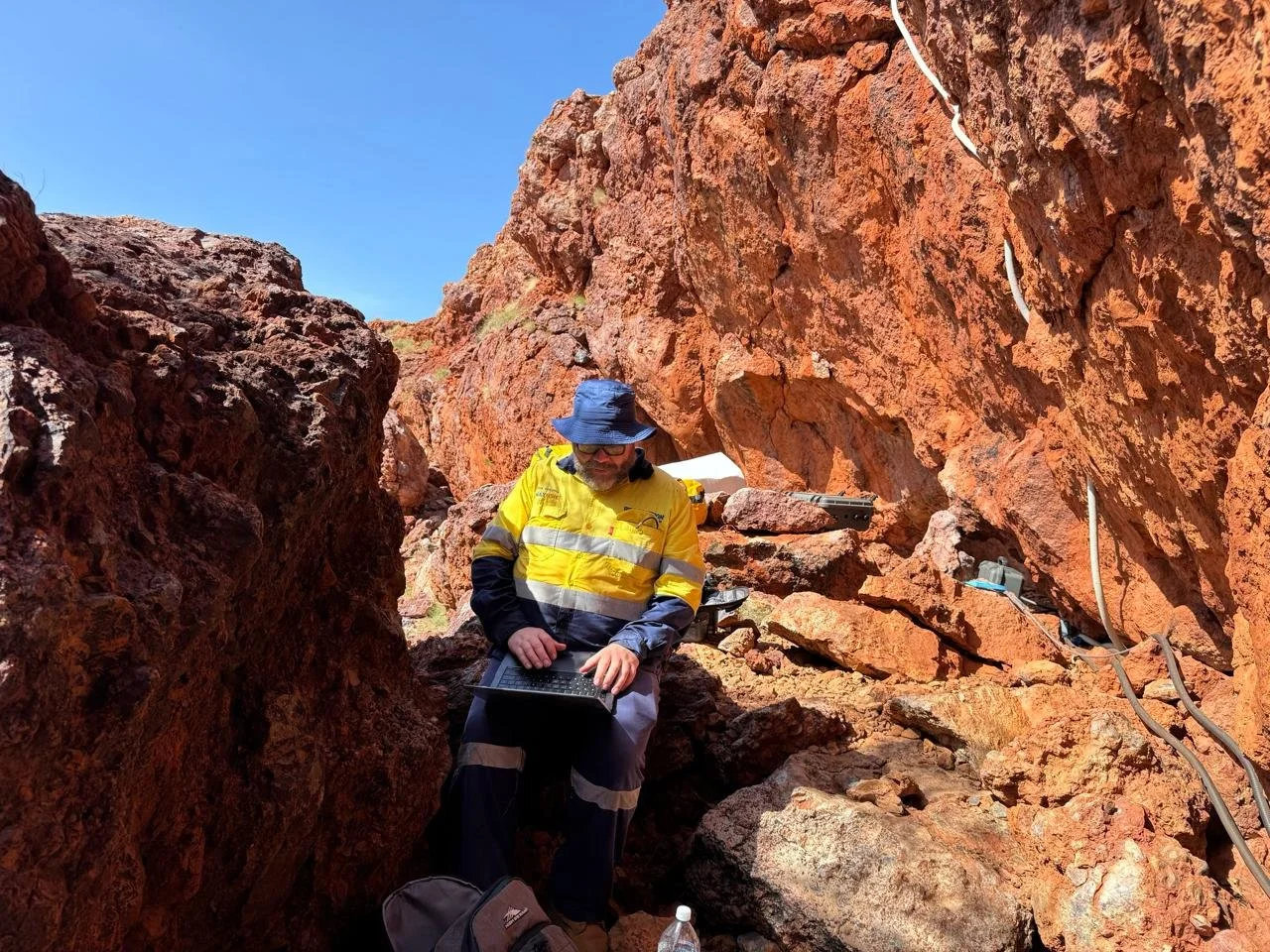
In their own words: “We provide fully automated systems for environmental monitoring in remote areas and inaccessible places such as the aerosphere.”
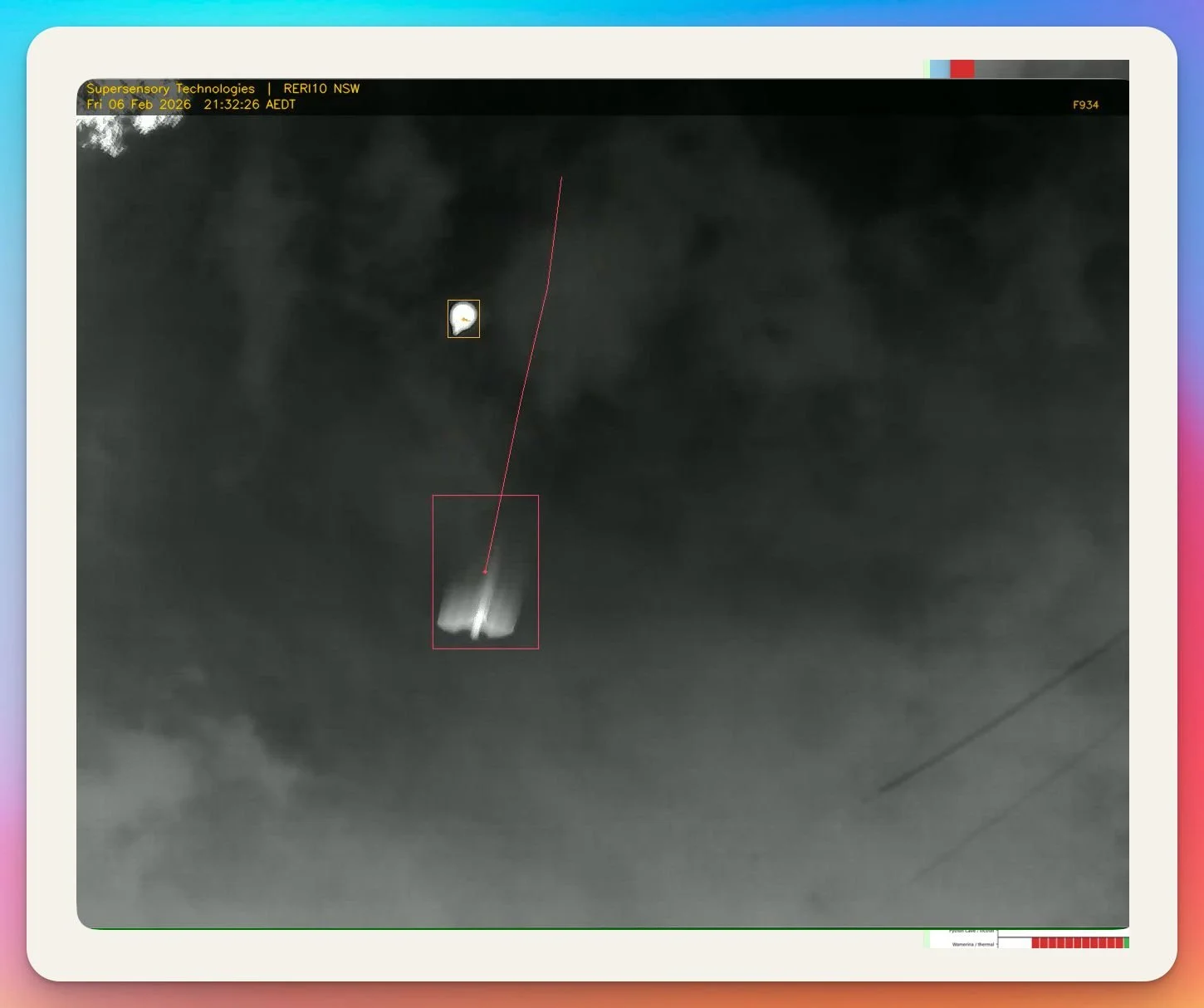
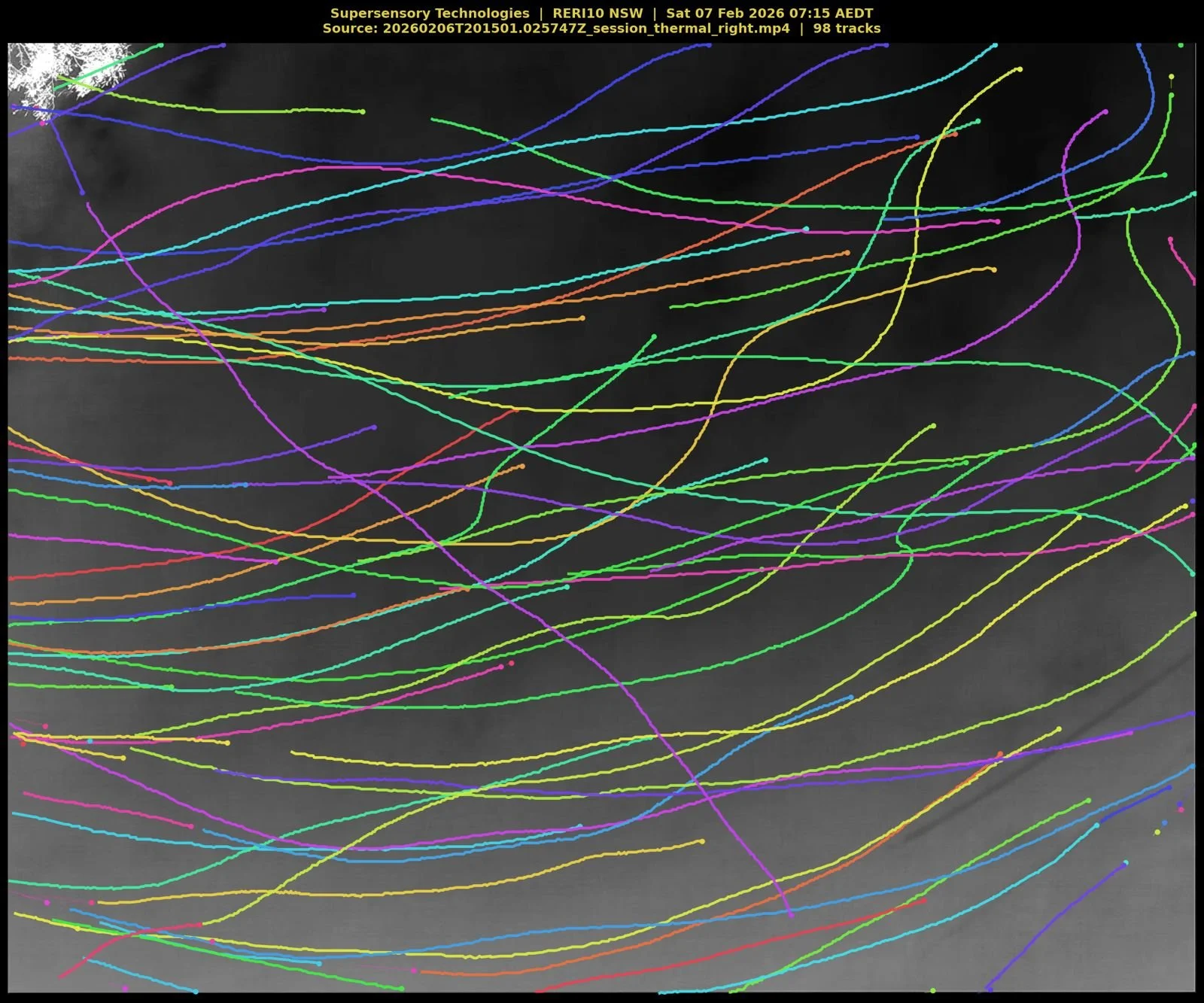
The systems combine ultrasonic microphones, thermal cameras, LiDAR, radar and a range of environmental sensors. Crucially, Supersensory writes its own software too—both for controlling the integrated sensor arrays they invent, and for classifying signals of interest within enormous recording datasets.
The application they’re best known for is identifying threatened bat and bird species during environmental impact assessments and ongoing compliance monitoring—particularly around wind farms, where wildlife strikes are a known and unresolved challenge for the renewable transition.
“Our systems reduce business risk by providing a better way to answer questions. Everything we have put together represents a new way of resolving common questions that sound simple but in reality require a great deal of technical innovation to answer in a way that provides sufficient clarity for business decision-making.”
It’s a quiet but significant claim: the data isn’t just faster—it’s better. “[The systems provide] higher value data that is not confounded by data gaps that introduce uncertainty for interpretations,” Kyle says. “Thus, making decisions is easier and there is less chance for project delays.”
Diversifying, not pivoting
Most innovation stories include a dramatic pivot. Supersensory’s doesn’t.
“Rather than pivoting, we are diversifying because the first systems we designed and installed can be extended for a different application. We have recently established a track record for applying some of our technology, in combination with wildlife radar, to the wind energy industry.”
It’s a subtle distinction—but a telling one. The technology was strong enough that it didn’t need to be reinvented; it needed to be redirected.
What’s next
The five- to ten-year horizon is ambitious without being unfocused.
“We would like to have a significant influence on reducing the rate of bat and bird strikes at wind turbines by providing quantitative assessments that are the basis for cost-effective mitigations. We would also like to see our technology used for regional and national programmes that help protect vulnerable bat species.”
In other words: scale up, and use the data to actually fix the problem—not just measure it.
Why they won
The Innovator of the Month and Groundbreaker of the Year award recognises members of CORE Innovation Hub who don’t just build clever products—they build the infrastructure other industries will quietly come to depend on. Supersensory fits that brief exactly. The wind energy industry will increasingly need the kind of data they produce. The renewable transition needs species-level transparency that hasn’t existed before. And the threatened-species programmes their systems can support are decades-long undertakings.
We asked Kyle what fuels the team. The answer captured the spirit of the award:
“We maintain a naturally high level of enthusiasm because we see so many possibilities for using the latest hardware and software tech to have a positive influence for protecting and managing wildlife. A particular delight is interpreting the data and being able to understand ‘what is going on’. We have learned a lot about the biology of species that are typically difficult to study. And pioneering new capabilities is certainly a lot of fun.”
Pioneering new capabilities. That’s exactly what Innovators and Groundbreakers do.
To learn more, visit Supersensory Technologies website, and follow them on LinkedIn.